Building Climate Resilience in the Malaiyaha Community
This project is an environmental and community development initiative implemented by the Uva Shakthi Foundation in the Badulla District of Sri Lanka.
The project focuses on promoting climate adaptation, protecting water catchment areas, and establishing plastic-free preschools within plantation communities while strengthening sustainable waste management practices.
Through education, community engagement, and local governance collaboration, the initiative aims to build a sustainable environmental culture starting from early childhood education.
Project Overview
Promoting Climate Adaptation and Sustainable Waste Practices
This project aims to create plastic-free preschool environments in the Badulla District to reduce plastic pollution and protect sensitive water catchment areas.
By working closely with:
• Preschool teachers • Students • Parents • Plantation (Malaiyaha) communities • Local authorities
The program promotes environmentally responsible behaviour and improved solid waste management systems. The project also integrates gender equality, community participation, and policy development to ensure long-term environmental sustainability. The initiative is designed as a replicable model that can later expand to other regions of Sri Lanka.
Project Duration & Locations
Project Period: September 2025 – February 2026 Duration: 6 Months
The project is implemented in several Divisional Secretariats within the Badulla District, Uva Province, including:
• Lunugala
• Passara
• Badulla
• Hali-ela
• Soranatota
• Ella
•Bandarawela
• Haputhale
•Haldumulla
• Welimada
•Uvaparanagama
These areas include plantation communities belonging to the Malaiyaha community.
Key Project Activities
Project Orientation & Stakeholder Engagement
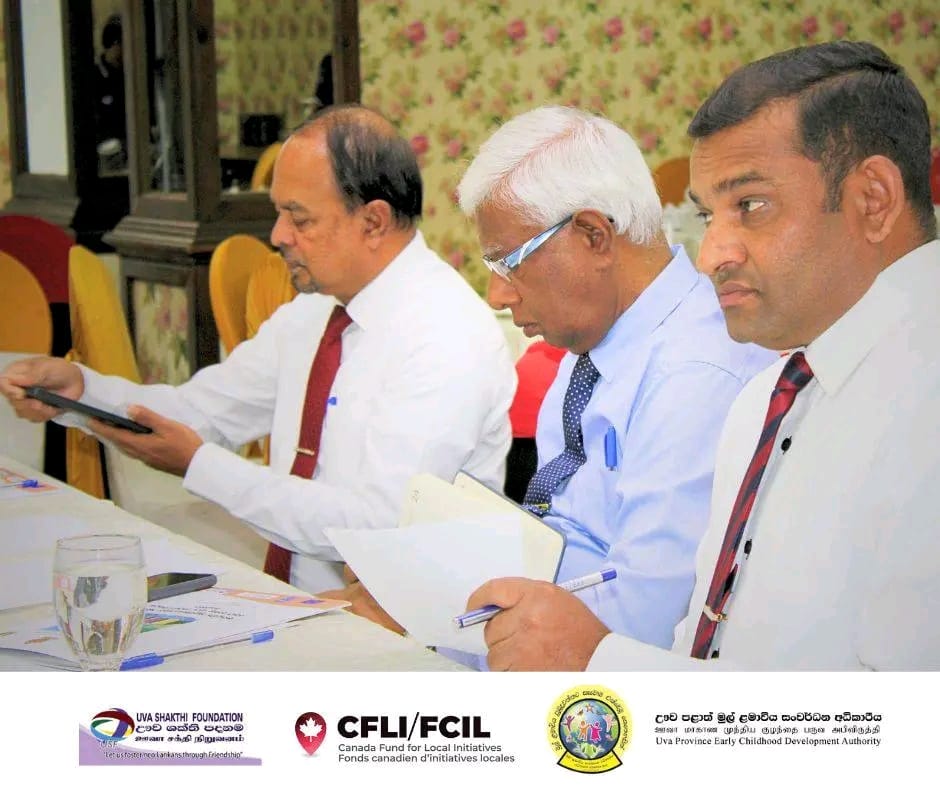
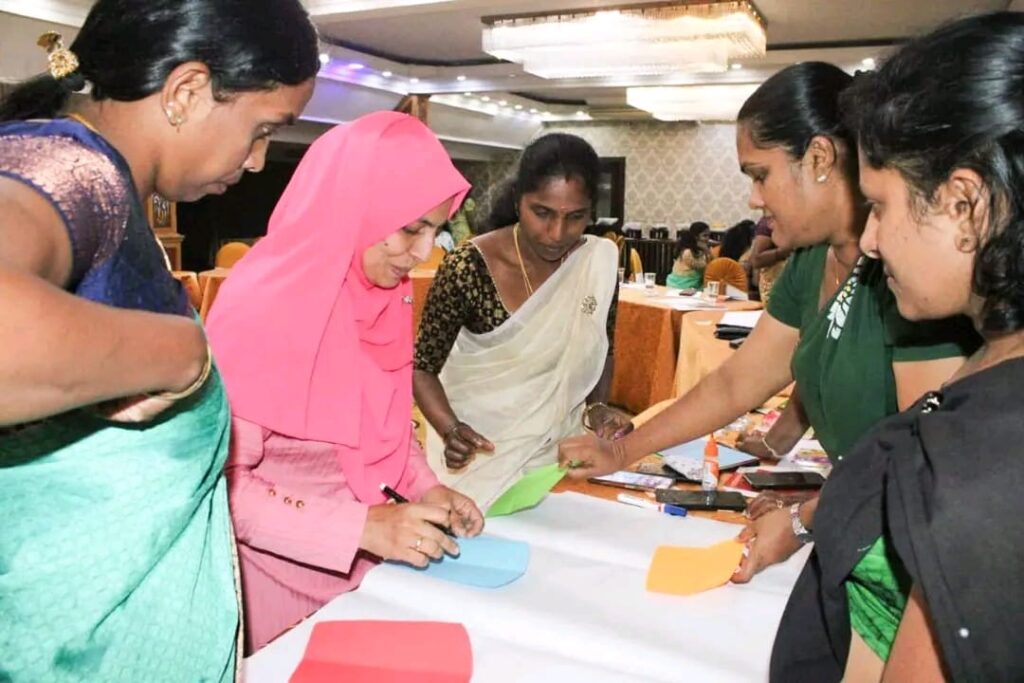
A one-day project orientation session was conducted to establish partnerships and create a strong stakeholder network to support effective project implementation.
Development of Training Materials
A bilingual training guide was developed in Tamil and Sinhala to ensure accessibility and effective knowledge sharing among preschool teachers and community members.
Training of Trainers
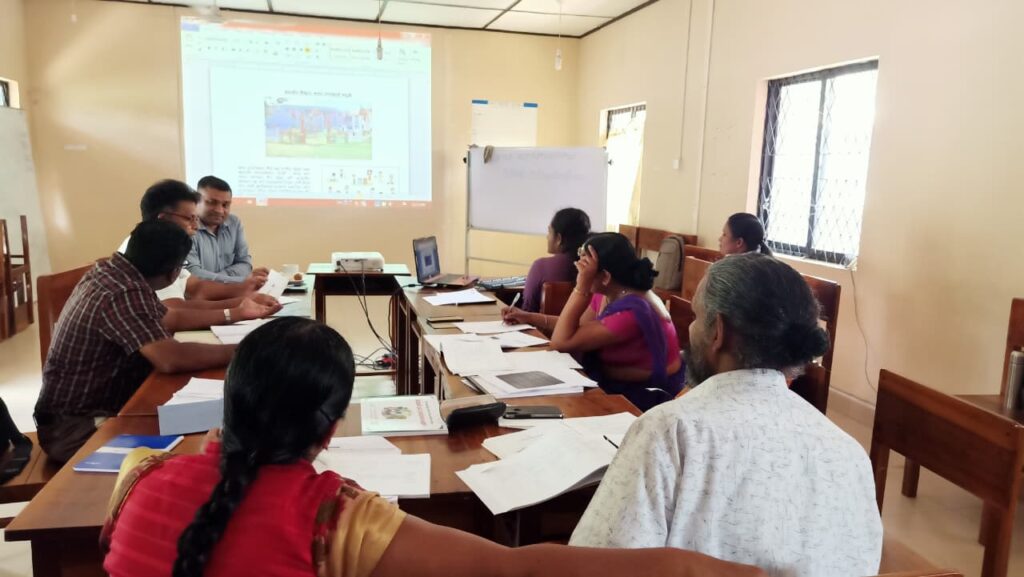
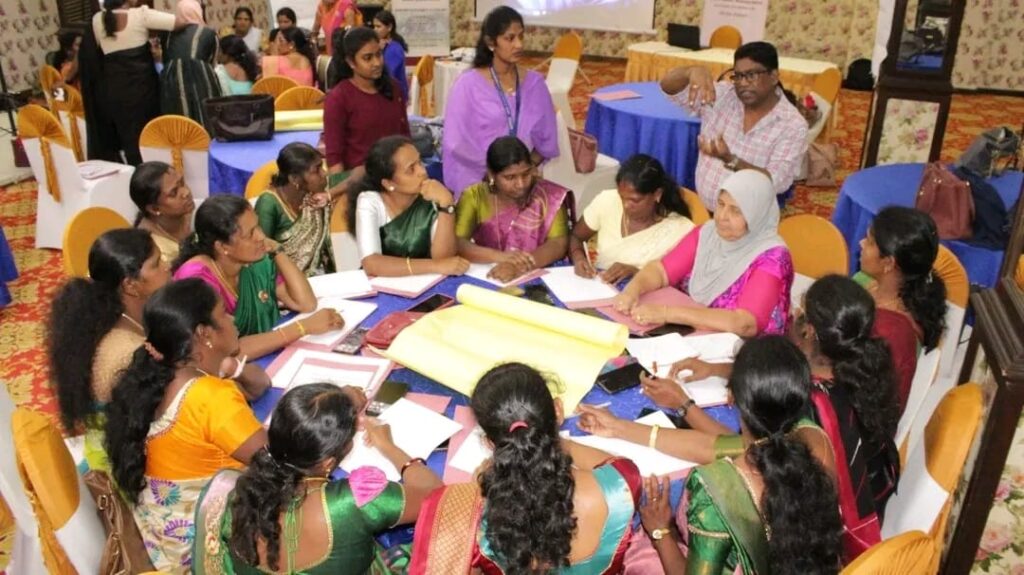
A three-day residential Training of Trainers program was conducted for:
• Preschool educators • Teachers • Early Childcare Development Officers
The training equipped them with the knowledge and skills needed to promote sustainable waste management and environmental awareness.
Awareness Sessions for Teachers
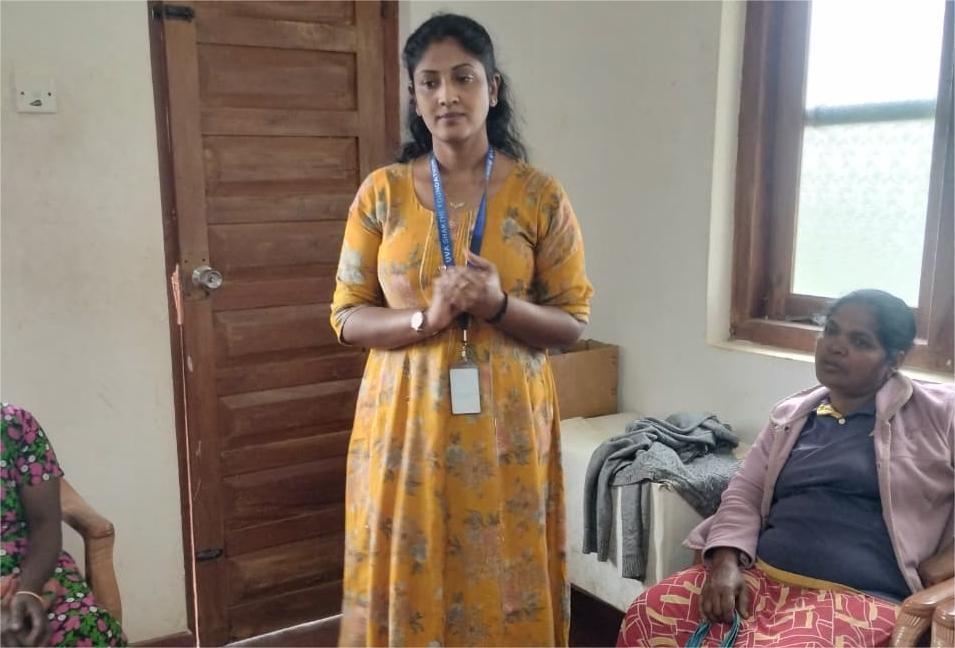
Cluster-level awareness programs were organized for 250 preschool teachers, focusing on plastic-free practices and responsible waste management.
Plastic-Free Innovation Activities
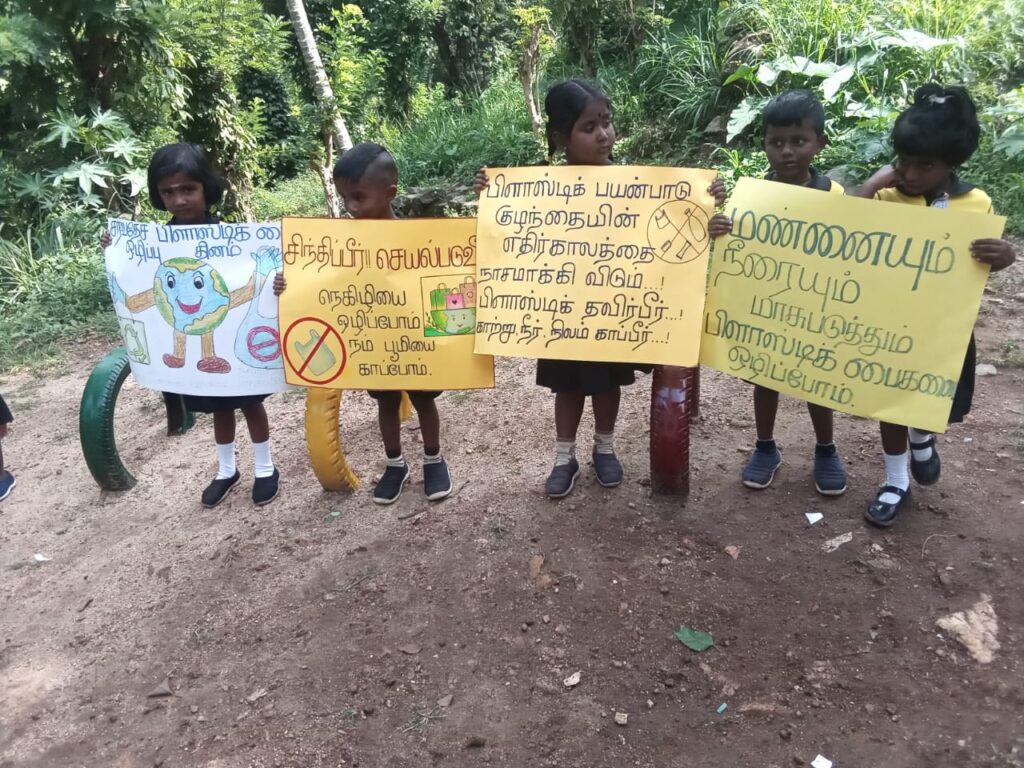
Community groups and preschools collaborated to organize creative environmental initiatives promoting plastic-free lifestyles and sustainable practices.
Establishment of Model Preschools
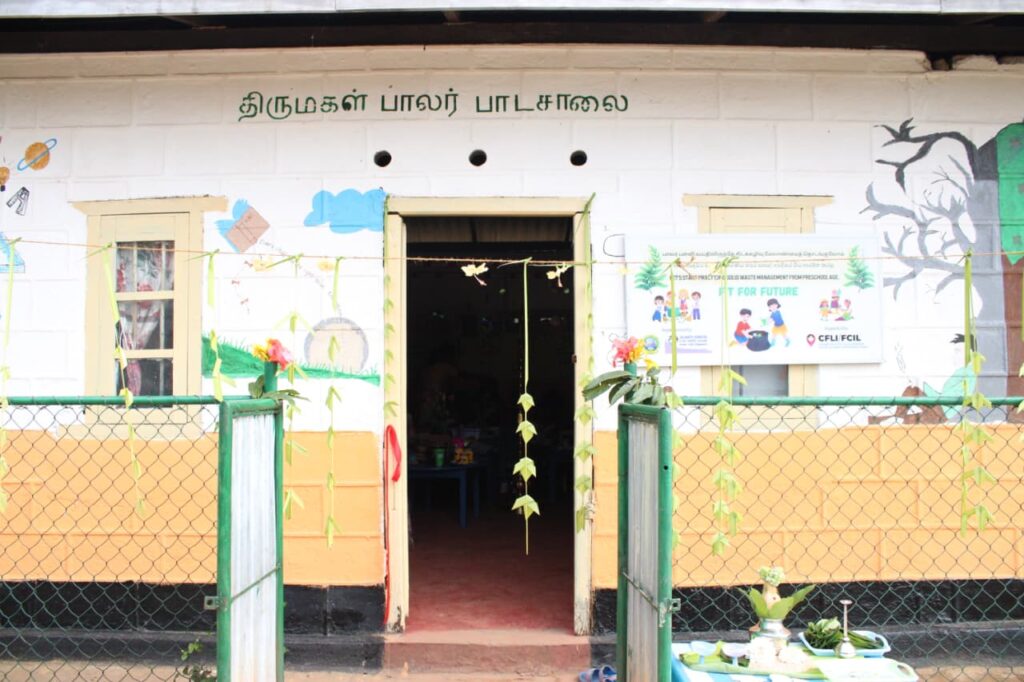
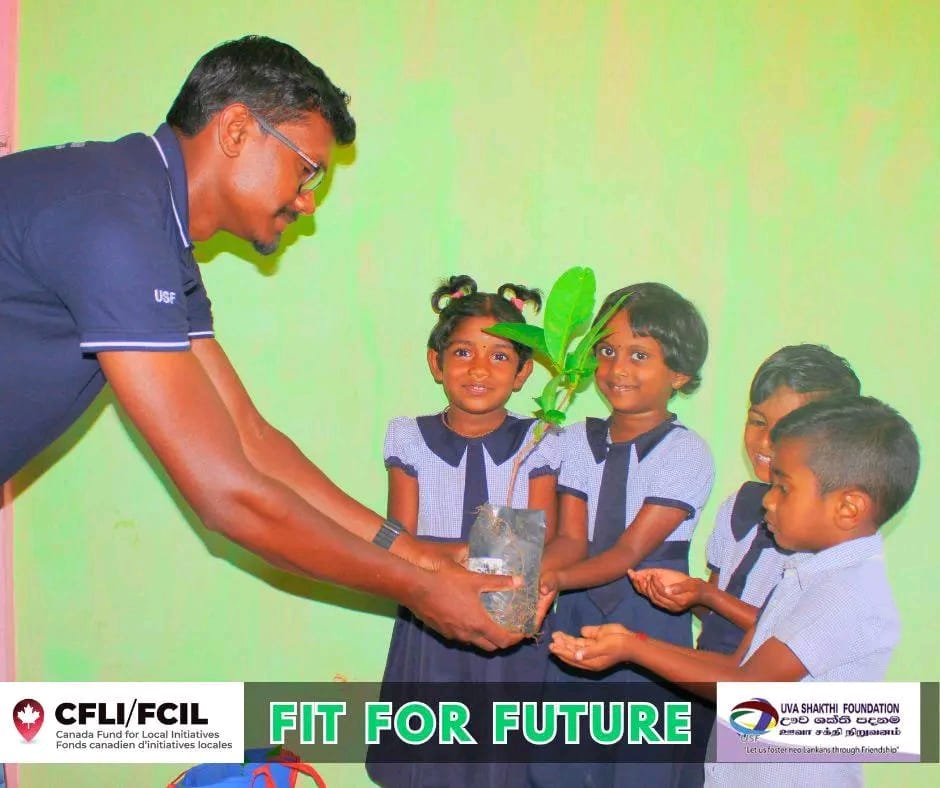
Ten model plastic-free preschools were established under the “Fit for Future” initiative, serving as demonstration centers for sustainable waste management.
Community Dialogue Programs
Community dialogue sessions were organized to increase awareness and encourage local participation in environmental protection and sustainable practices.
Environmental Protection Campaigns
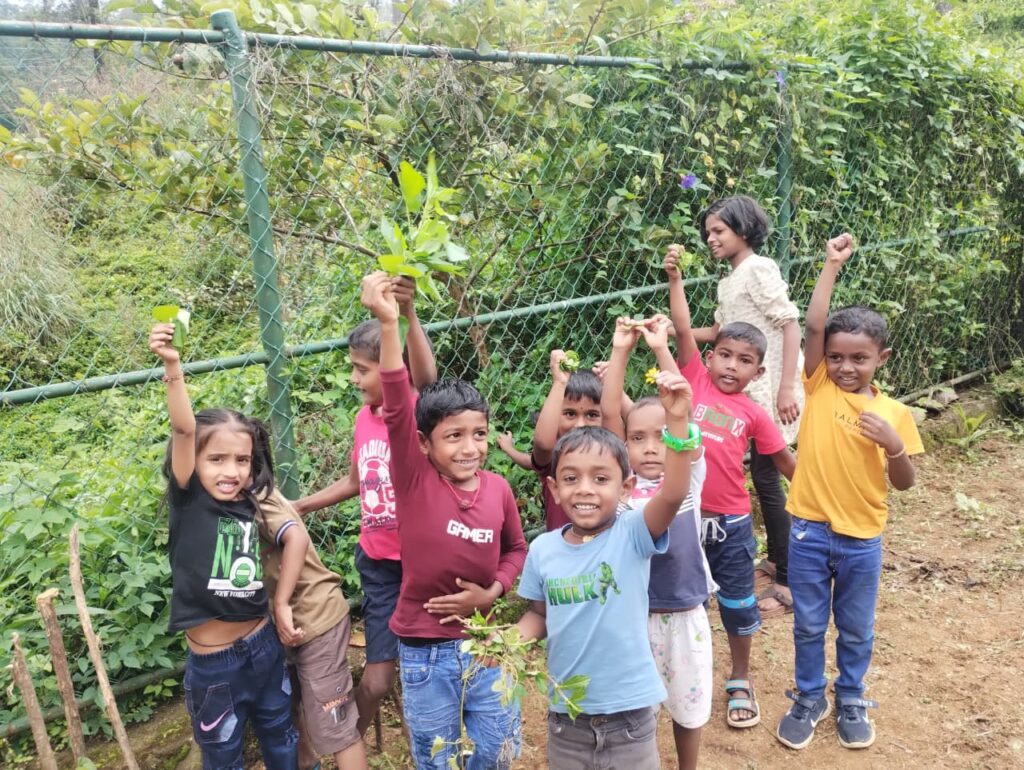
Community-based Shramadana campaigns were conducted to protect water catchments, promote biodiversity conservation, and encourage tree planting in selected environmental hotspots.
Immediate Project Results
The project has already generated several positive outcomes:
Preschool teachers gained knowledge about sustainable waste management and plastic-free practices.
Increased participation from the Malaiyaha community in environmental awareness and waste management initiatives.
Improved access to government and public services for plantation communities.
Development of policy recommendations for local authorities to reduce plastic waste.
Long-Term Impact
The project is expected to deliver sustainable environmental and governance benefits, including:
Establishment of a replicable plastic-free preschool model across the region.
Improved environmental governance and protection of water catchment areas.
Stronger integration of waste management policies within local government systems.
Increased community awareness and participation in environmental sustainability.
Beneficiaries
Direct Beneficiaries
3,750
Preschool children from plantation communities
250
Preschool teachers
150
Preschool teachers
8,750
Community members
Indirect Beneficiaries
Parents and families of preschool children
Local government authorities
Provincial Early Childhood
Development Authority
Civil society organizations
Traders associations
Environmental advocates and writers
Listeners of Uva Community Radio
Social media followers and wider community members