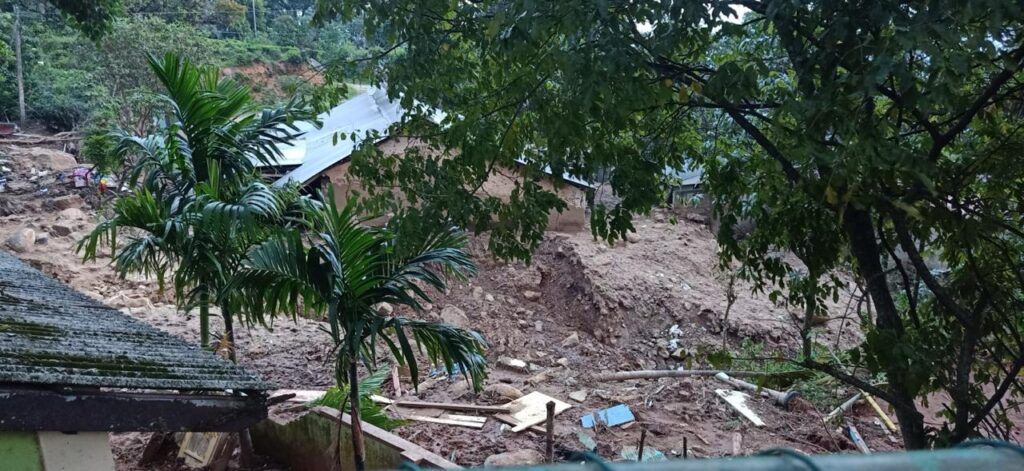
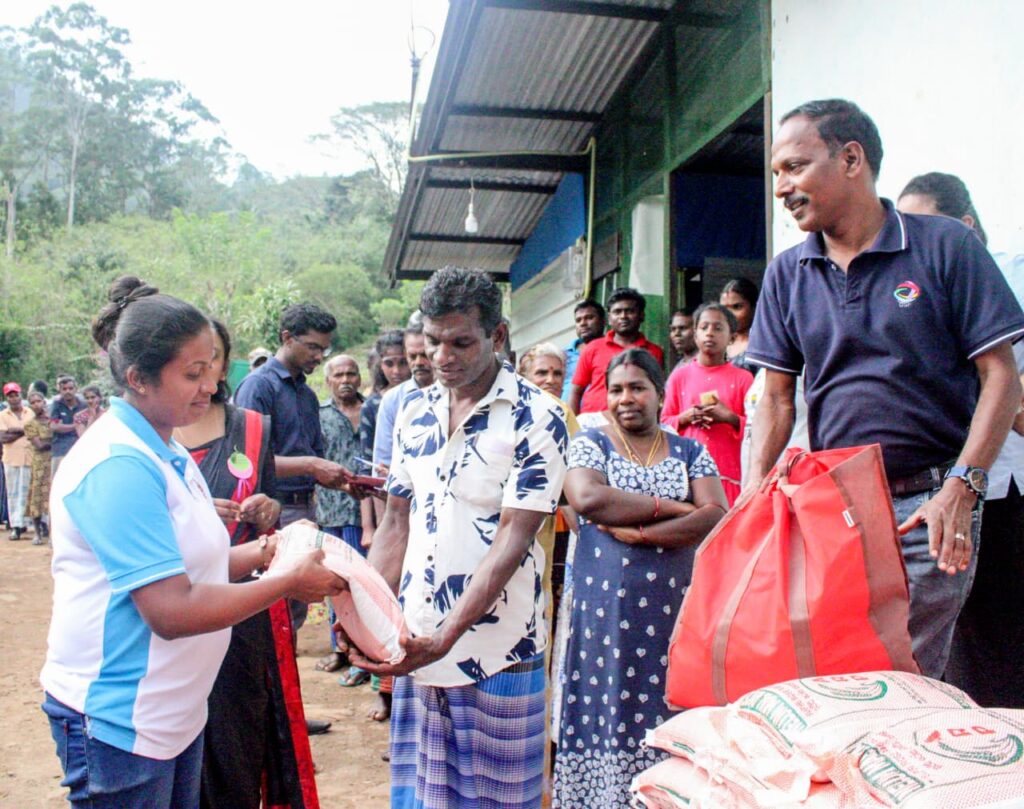
In late November 2025, Cyclone Ditwah struck Sri Lanka, bringing record-breaking rainfall and severe landslides. The hill country districts of Badulla and Nuwara Eliya were among the hardest hit, with estate and rural communities experiencing widespread destruction.
As of early 2026, response efforts have shifted from emergency rescue to long-term recovery and rehabilitation.
Impact in the Hill Country
High Fatalities from Landslides: Badulla District alone recorded over 80 deaths due to slope failures.
Severe Housing Loss: Malaiyaham (Hill Country Tamil) estate communities living in “line rooms” faced total destruction and displacement.
Infrastructure Collapse: Secondary roads were washed away, isolating remote villages and requiring manual transport of relief supplies.
Displacement: Many families remain in temporary shelters, while some are living with relatives due to high-risk landslide zones awaiting certification from the National Building Research Organization (NBRO).
Uva Shakthi Foundation (USF) – Local Leadership & Coordination
Uva Shakthi Foundation (USF), founded in 1996 after the Maussagolla landslide, serves as a key local responder in Uva Province.
Executive Director: Nadesan Suresh
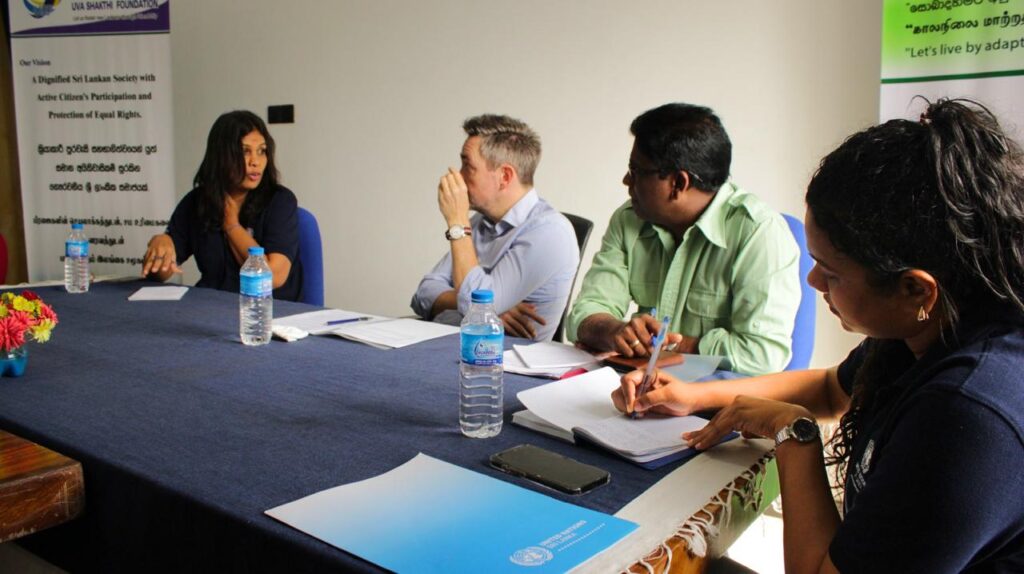
National Coordination Role: Member of the Humanitarian Country Team (HCT), led by UN Resident Coordinator Marc-André Franche.
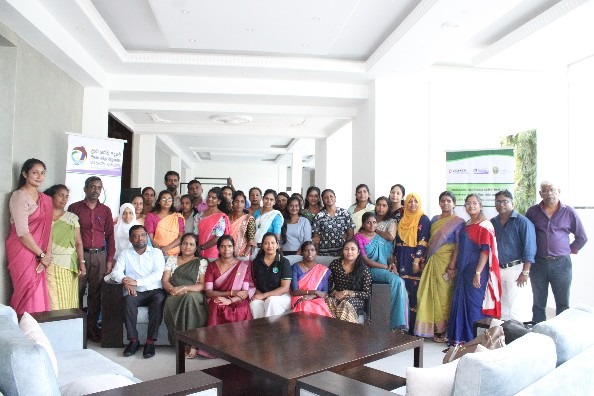
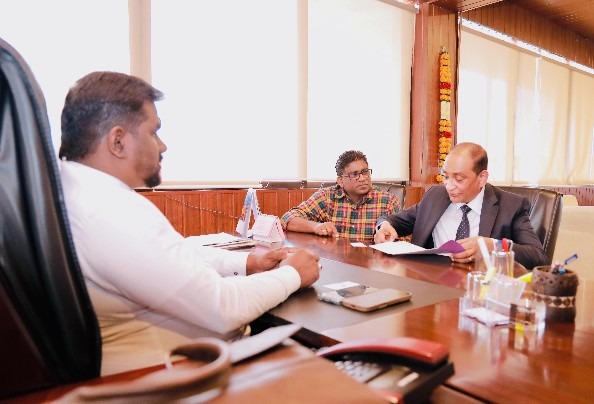
District-Level Coordination: Works closely with the Disaster Management Centre (DMC), District and Divisional Secretariats, and CSO/NGO networks.
This collaboration ensures grassroots representation in national humanitarian planning and supports the localization of aid delivery.
Key Interventions by USF
Emergency Relief
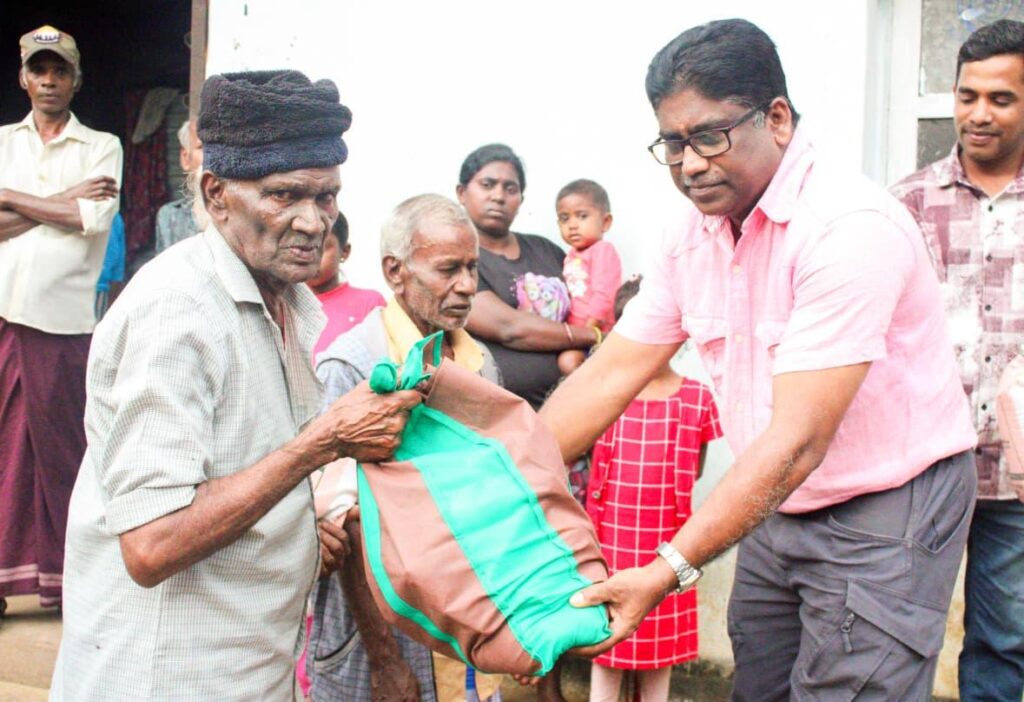
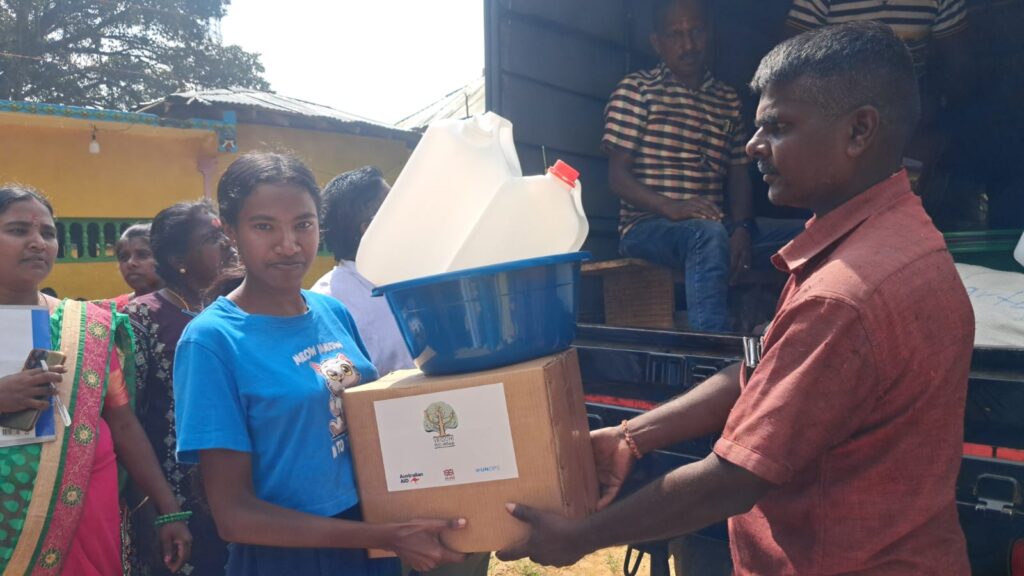
Distribution of dry rations, cooked meals, hygiene kits, kitchen sets, and non-food items (NFIs).
Support to displaced families in Safety Relief Centers (SRCs).
WASH (Water , Sanitation & Hygiene)
Volunteer-supported medical clinics.
Psychosocial support services.
Focus on elderly, disabled, and medically vulnerable individuals.
Camp coordination & Management
Identifying and training camp managers.
Establishing child-friendly spaces.
Ensuring global humanitarian standards in camp setup.
Coordinating with government, NGOs, and private sector (PPP model).
Health & Psychosocial Support
Restoration of drinking water access.
Repair of small irrigation systems.
Waste management mechanisms in camps.
Legal Rights Support
Assistance in replacing lost IDs and land documents.
Advocacy for land, housing, and safe relocation for Malaiyaha communities.
Livelihood Recovery
Supporting tea plantation workers and small-scale farmers.
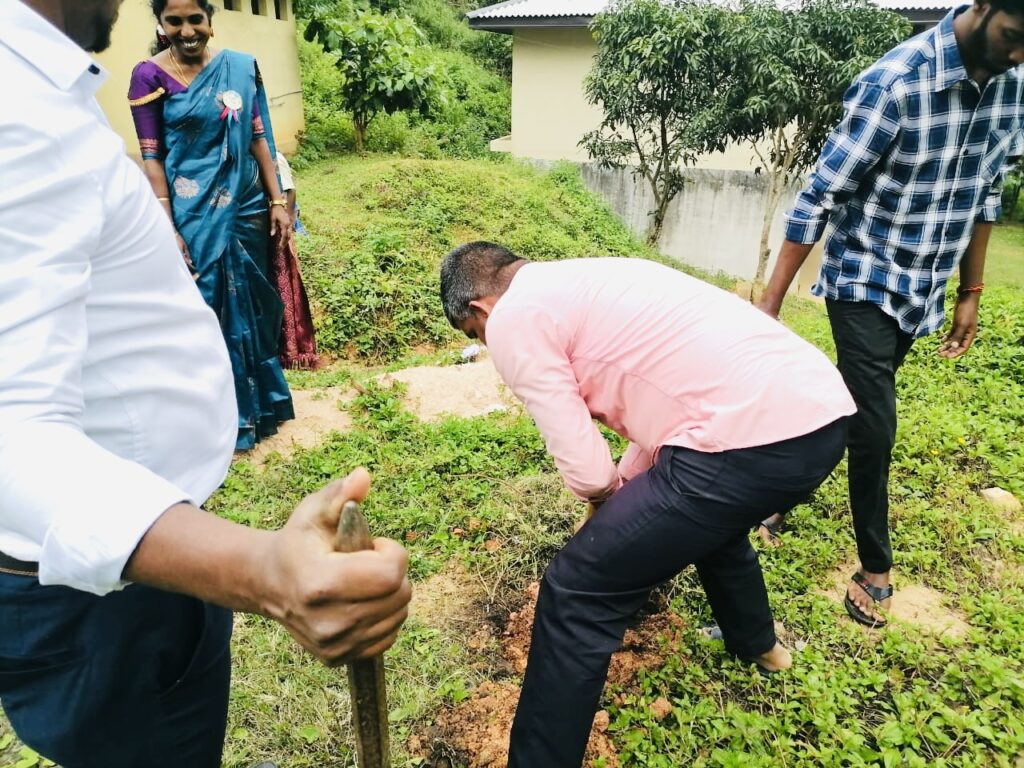
Promoting food production and long-term economic recovery.
Education – “We Are Back to School”
Distribution of school bags and educational kits.
Menstrual hygiene support.
Temporary classroom shelters, toilets, and washing facilities.
O/L seminars in Mathematics, Science, and English.
Rehabilitation of damaged school buildings.
Strategic Partnerships
Canada Fund for Local Initiatives (CFLI) USF is a 2025–2026 grant recipient (C$30,000–C$50,000) supporting inclusive governance, climate action, and economic rights.
United Nations Office for Project Services (UNOPS) Partnered with local NGOs, reaching over 33,000 people with life-saving assistance and focusing on resilient infrastructure.
Médecins Sans Frontières (MSF) Returned to Sri Lanka in 2025, delivering over 1,000 winterized family tents and essential relief kits, and deploying health, logistics, and WASH teams in Badulla.
Current Situation Ongoing Challenges
5 severely affected hotspots remain inaccessible due to landslides.
Thousands remain displaced in schools, tea factories, temples, kovils, preschools, and community halls.
Limited sanitation, electricity, and water facilities in shelters.
Risk of communicable diseases due to overcrowding and limited nutrition.
Slow NBRO certification for resettlement in landslide-prone (Red Alert) zones.
Transportation barriers limit delivery of aid to remote communities.
Immediate Needs
4WD vehicles (3-month period) to reach remote and high-risk areas.
Transitional shelters and land allocation for safe resettlement.
Livelihood and smallholder tea sector transformation support.
Governance Accountability
USF operates under a structured financial administration policy. Donors may:
Provide direct financial contributions.
Pay suppliers directly based on quotations.
Coordinate with USF’s trained, trilingual volunteer network for rapid response.
Conclusion
Cyclone Ditwah has exposed long-standing vulnerabilities in Sri-Lanka’s hill country, particularly within Malaiyaha plantation communities. While emergency relief has stabilized many areas, long-term recovery—including safe housing, infrastructure rehabilitation, livelihood restoration, and education continuity—remains urgent.